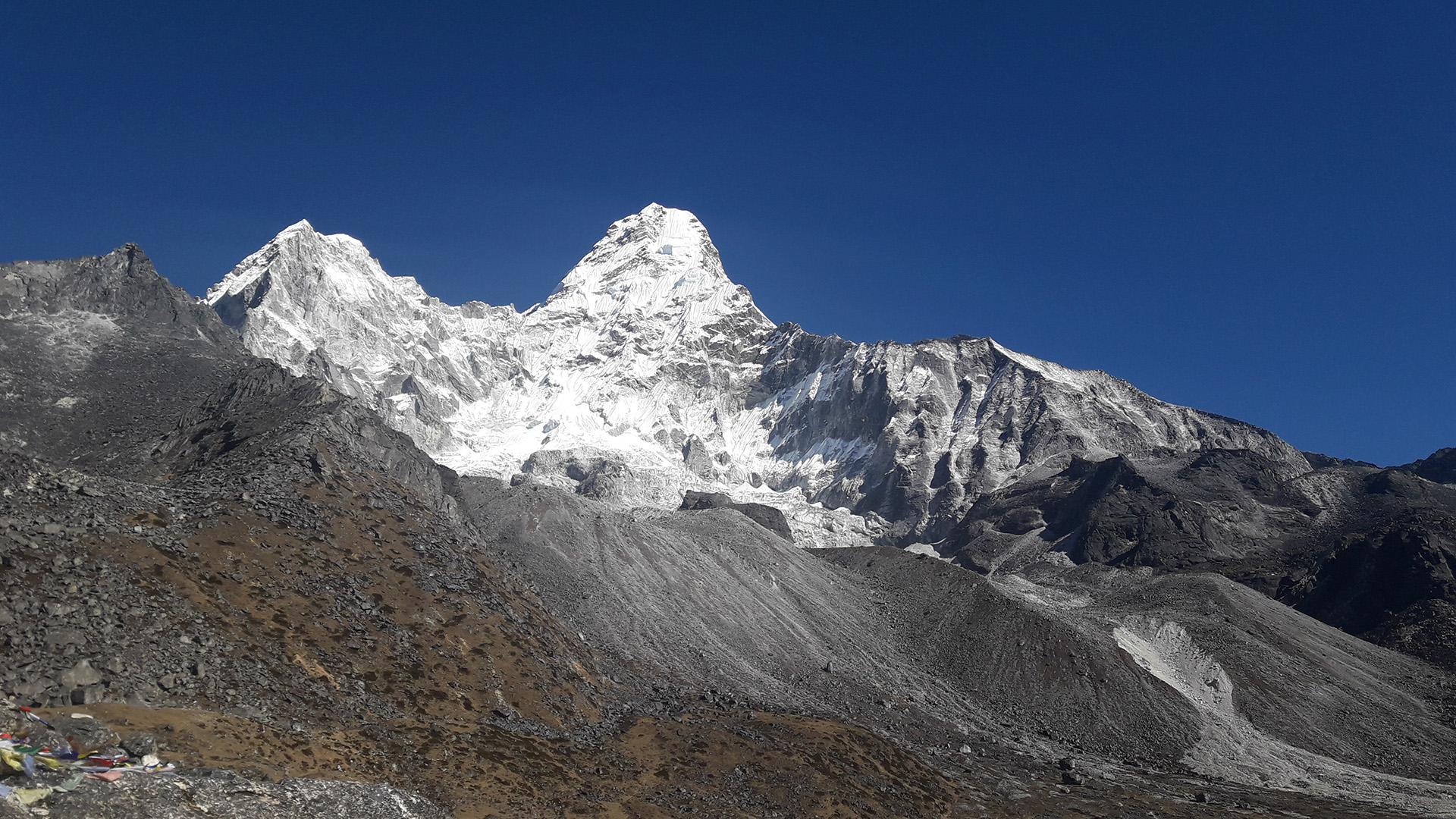
Embarking on an exhilarating journey to the Ama Dablam Peak offers adventure enthusiasts an experience that combines breathtaking landscapes with the thrill of mountaineering. This majestic Himalayan peak, standing tall at 6,812 meters, is a prominent attraction for climbers seeking both challenge and scenic beauty. In this article, we will delve into the captivating world of Ama Dablam Peak climbing, uncovering its allure, preparation strategies, and the rewards it bestows upon those who conquer it.

Ama Dablam, often referred to as the "Matterhorn of the Himalayas," stands as an iconic peak in the heart of the Everest region. Its unique, pyramid-like structure and snow-covered slopes make it a sight to behold. The peak's name, translating to "Mother's Necklace," reflects its elegance and beauty, as its ridges resemble the arms of a mother embracing her child. Ama Dablam's allure doesn't just lie in its aesthetic appeal; it's also a challenging climb that beckons seasoned mountaineers.

Preparation: The Key to Conquering Ama Dablam

Embarking on an Ama Dablam expedition demands meticulous preparation. Climbers must focus on three crucial aspects: gathering the right gear, ensuring physical and mental fitness, and acclimatization to the altitude.

Gathering Essential Gear

From crampons to harnesses, each piece of gear plays a vital role in ensuring safety and success. The thin air and harsh conditions on Ama Dablam require specialized equipment tailored to the challenge.

Physical and Mental Conditioning

Climbing Ama Dablam demands peak physical fitness. Endurance, strength, and agility are prerequisites for overcoming the demanding terrains and steep ascents. Mental resilience is equally vital, as climbers must navigate uncertainties and stay determined.

Acclimatization

Proper acclimatization is paramount when ascending to high altitudes. Climbers gradually ascend, allowing their bodies to adjust to reduced oxygen levels. This helps prevent altitude-related illnesses and ensures a higher chance of reaching the summit.

Navigating the Climbing Route

Conquering Ama Dablam involves a multi-stage ascent, each phase presenting its own challenges and rewards.

Base Camp to Camp I: The Initial Trek

The journey begins with a trek through vibrant rhododendron forests and Sherpa villages. The trail gradually gains elevation as trekkers make their way to Base Camp, where preparation for the climb intensifies.

Camp I to Camp II: Pushing Forward

Climbers proceed to Camp I through rocky terrain and icy sections. From Camp I to Camp II, they tackle the challenging Grey Tower traverse, requiring focus and technical skill.

Camp II to Camp III: The Lhotse Wall

This phase involves ascending the renowned Lhotse Wall, a steep and icy climb that demands the use of fixed ropes and jumar devices. Climbers are treated to panoramic views as they ascend higher.

Camp III to Summit: Reaching the Pinnacle

The final push to the summit is both exhilarating and demanding. Climbers negotiate snow slopes and rocky sections before reaching the summit ridge. The reward is an awe-inspiring vista of the Himalayas.

Challenges and Rewards

Ama Dablam presents both challenges and rewards that leave an indelible mark on climbers.

Technical Difficulties

The climb's technical aspects, including vertical ice walls and exposed ridges, test climbers' skills. Negotiating these challenges fosters a sense of accomplishment and growth.

Awe-Inspiring Panoramas

As climbers ascend, they're rewarded with panoramic views of Everest, Lhotse, and other Himalayan giants. The experience of witnessing these majestic peaks is truly humbling.

Personal Growth and Achievement

Climbing Ama Dablam isn't just about conquering a physical summit; it's also a journey of self-discovery, pushing limits, and achieving the seemingly impossible.

Environmental and Ethical Considerations

Climbers must respect the environment and local culture while on the ascent.

Leave No Trace

Preserving the pristine Himalayan environment is paramount. Climbers adhere to "Leave No Trace" principles to minimize their ecological impact.

Respecting Local Culture

Interacting with local Sherpa communities enriches the experience. Respecting their culture and traditions fosters positive relationships and cultural exchange.

Safety Measures: Mitigating Risks

Safety is a priority throughout the climb.

Expert Guidance

Climbers are guided by experienced Sherpa guides who are intimately familiar with the terrain, weather, and potential risks.

Emergency Protocols

Ama Dablam's challenges include unpredictable weather and altitude-related risks. Climbers are equipped with emergency gear and protocols to handle unforeseen situations.

Ama Dablam Beyond Climbing: Exploring the Surroundings

Ama Dablam's vicinity offers more than just climbing opportunities.

Namche Bazaar: Gateway to the Everest Region

Before and after the climb, trekkers can explore Namche Bazaar, a vibrant trading hub and a center for Sherpa culture.

Cultural Immersion

Engaging with locals provides insights into Sherpa traditions, cuisine, and way of life. This cultural exchange is an integral part of the Ama Dablam experience.

 

Package Itinerary

Upon your arrival at Kathmandu International Airport, you will be warmly greeted by our representative. They will welcome you with a traditional Nepali garland and assist you in transferring to your hotel. Take the day to rest and recover from your journey, acclimating to the sights and sounds of the bustling city.

Today is a preparation and rest day in Kathmandu. Our team will conduct a comprehensive trek briefing and assist you in making necessary preparations for the upcoming adventure. You can also take this opportunity to explore some of the cultural landmarks of Kathmandu, such as Durbar Square, Pashupatinath Temple, or Boudhanath Stupa.

After a wholesome breakfast, we head to the domestic airport for a scenic flight to Lukla, the gateway to the Everest region. The short flight offers breathtaking views of the Himalayan peaks before landing at the challenging Tenzing-Hillary Airport in Lukla. From Lukla, we commence our trek to Phakding, a pleasant village situated on the banks of the Dudh Koshi River.

Today's trek takes us through picturesque landscapes and suspension bridges adorned with prayer flags. The trail gradually ascends, passing through small villages and lush forests, until we reach Namche Bazaar. This bustling town is a significant trading hub in the Khumbu region and provides stunning views of Everest and surrounding peaks.

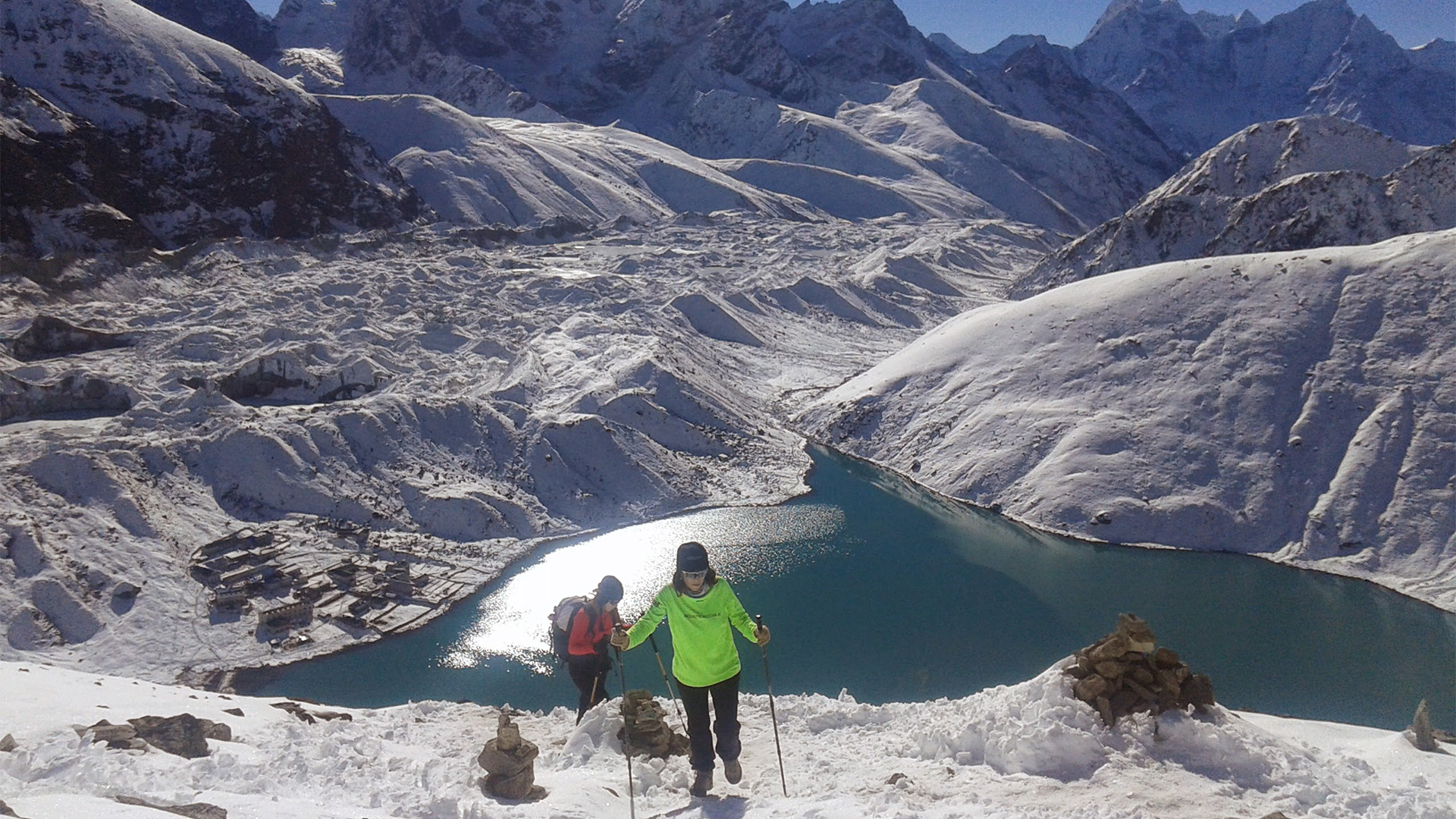
Acclimatization is essential for adapting to the high altitude. Today, we take a rest day in Namche Bazaar and engage in a short hike to higher elevations for better acclimatization. We may visit the Everest View Hotel or the nearby Khumjung village to explore the local culture.

Leaving Namche Bazaar, we trek towards Tengboche Monastery, one of the most revered monasteries in the Everest region. The trail offers stunning views of Everest, Lhotse, Nuptse, and Ama Dablam. We may also visit Debuche, a quaint village located in a tranquil setting.

Continuing our journey, we head towards Pangboche, a picturesque village with ancient monasteries. We take another acclimatization day here to ensure our bodies are well-adjusted to the altitude before proceeding to higher elevations.

Today is an exciting day as we trek to the base camp of the majestic Ama Dablam. The trail leads us through rugged terrains, and we are rewarded with mesmerizing views of the iconic peak. After reaching the base camp, we rest and prepare for the climbing period ahead.

Today is a crucial preparation and rest day at the base camp. Our team will make necessary preparations for the climbing period and conduct training sessions on basic climbing techniques and safety measures.

The next 17 days are dedicated to the climbing period, where you will embark on the challenging ascent of Ama Dablam. Our experienced climbing guides and Sherpa team will provide necessary support and guidance during the climb. As you summit this iconic peak, you will be rewarded with breathtaking views of Everest and other neighboring peaks

After a successful climb, we begin our descent, trekking back to Namche Bazaar. It's a time to reflect on the memorable journey and share stories of the successful expedition.

Continuing our descent, we trek back to Lukla, the final destination of our trekking journey. This marks the completion of our trekking and climbing adventure.

In the early morning, we take a scenic flight back to Kathmandu from Lukla. Upon arrival, you can rest and relax or explore more of the city's vibrant culture and markets.

Your unforgettable Ama Dablam climbing expedition and trekking adventure come to an end today. Depending on your departure time, you may have some free time for last-minute shopping or sightseeing. Our representative will transfer you to the airport for your departure flight, bidding you farewell with cherished memories of the stunning Himalayan landscapes and the successful Ama Dablam climb.

Package Includes

Upon your arrival at Kathmandu International Airport, our team will warmly welcome you and provide comfortable transportation to your hotel. Similarly, at the end of the expedition, you will be driven back to the airport for your departure.

For every two clients, one porter will be provided to carry your luggage during the trek, making your journey more manageable.

Our dedicated staff and porters will have their accommodations and salaries taken care of to ensure their well-being and support during the trek and expedition.

Your climbing Sherpa, trekking guide, and porters will be insured as required by the Nepal government regulations, providing them with appropriate coverage during the expedition.

Throughout the trek, you will be provided with three nutritious meals per day, along with five tea and coffee breaks. The accommodation will be arranged in the best available lodges during the trek, ensuring comfort and a chance to experience the local hospitality.

All necessary entry fees, including national park fees/permits and the TIMS (Trekker's Information Management System), required for the trek will be taken care of in advance.

An experienced government liaison officer will accompany the expedition, facilitating necessary permits and coordination with local authorities.

The expedition will be equipped with all necessary camping gear at the Advance Base Camp and other high camps for a comfortable and successful climb.

Each climbing member will have a dedicated and experienced private climbing Sherpa guide for personalized climbing support and safety during the ascent.

An experienced cook will prepare high-quality and nutritious food during the expedition period, ensuring the climbers' strength and well-being during the climb.

Necessary fixed and dynamic ropes for climbing will be provided by the Sherpa or climbing guide, ensuring safety and support during technical sections.

Communication equipment, including walkie-talkies and a satellite phone, will be available for essential communication during the expedition (satellite phone usage will be charged separately at $5 per unit for satellite communication). 4 Nights 3-Star Hotel on BB Plan in Kathmandu: You will have four nights of comfortable hotel accommodation in Kathmandu on a B

You will have four nights of comfortable hotel accommodation in Kathmandu on a Bed and Breakfast (BB) plan, providing a pleasant rest before and after the expedition.

All necessary domestic flights and ground transportation during the trek and expedition will be arranged according to the itinerary, ensuring a smooth and hassle-free journey.

High altitude foods required for climbing members and Sherpa during the expedition will be provided, ensuring proper nutrition and energy for the challenging climb.

At the end of the expedition, a special farewell dinner with a cultural dance program will be organized, providing a memorable and joyous conclusion to your adventure in Nepal.

Package Excludes

The cost of international flights to and from Nepal is not covered in the package. You will need to arrange and bear the expenses for your international air travel.

The visa fee for entering Nepal, which can be obtained upon arrival at the airport, is not included. You will need to bring four passport-sized photos for the visa application.

Any personal expenses related to alcohol, medical treatments, or education during the trek or expedition are not part of the package. It is strongly recommended to have international travel insurance that includes rescue coverage for your safety and peace of mind.

Any additional staff beyond the standard team members is not included in the package and will be at an extra cost if required.

A summit bonus for your personal climbing Sherpa is not included. The required summit bonus typically begins from a minimum of US$700 per summit per Sherpa, but this may vary depending on the expedition and individual arrangements.

In case of any emergency or extra costs resulting from natural disasters, such as landslides, avalanches, or unforeseen circumstances that may lead to changes in the itinerary, the expenses will not be covered in the package.

Any additional hotel accommodations in Kathmandu beyond the standard four nights on a Bed and Breakfast (BB) plan are not part of the package and will be at your own expense.

In case of any emergency or specific requirements, the cost of helicopter charter is not included and will be an additional expense.

Tips or gratuities to the base camp staff members, per member, starting from a minimum of US$100.00 in total, are not included in the package and are at your discretion.