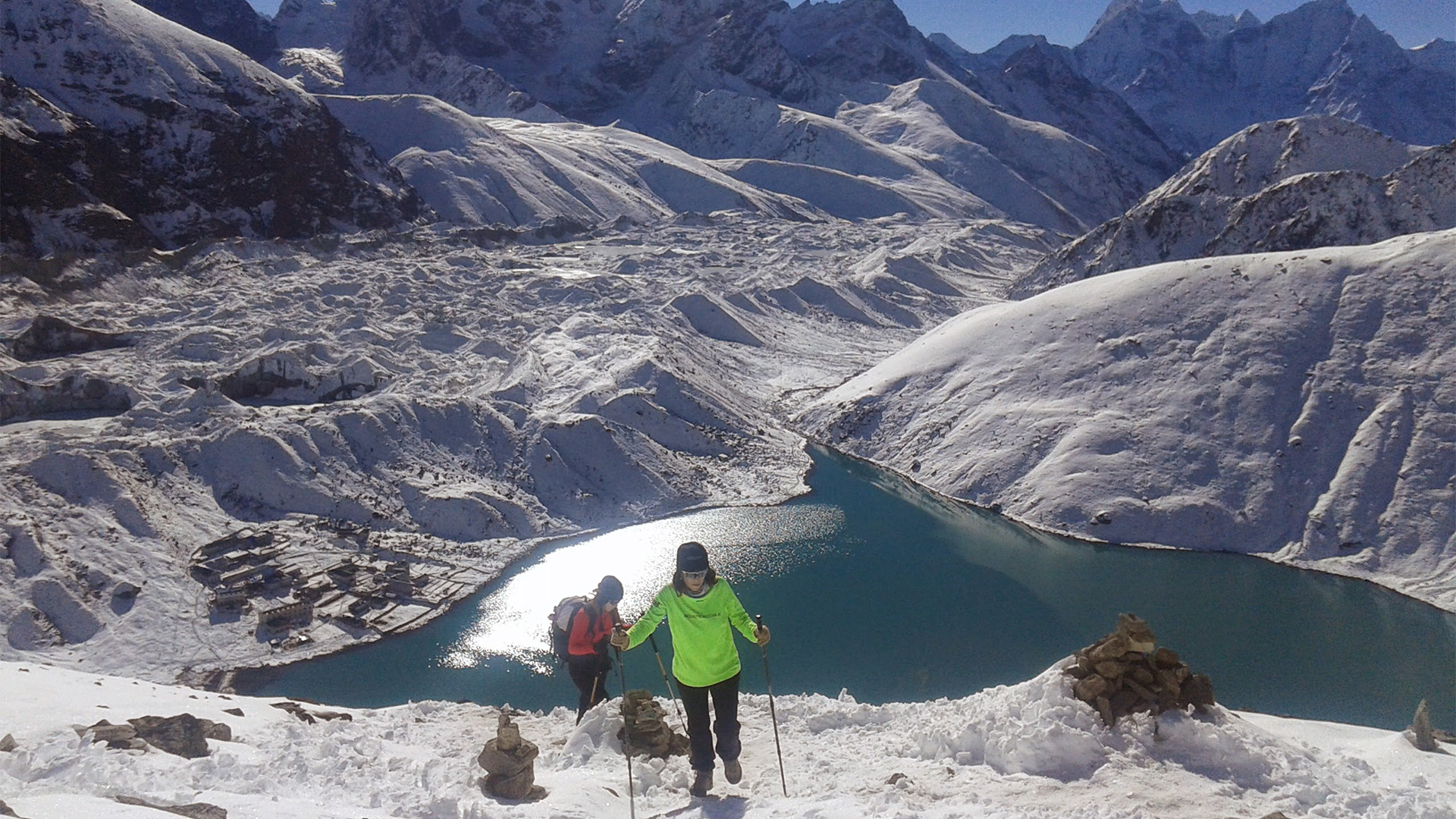


Embark on a once-in-a-lifetime adventure through the stunning landscapes of the Himalayas with the Annapurna Circuit Trek. This iconic trekking route, which includes the challenging Thorong La Pass, offers trekkers an unparalleled opportunity to witness the breathtaking beauty of Nepal's diverse terrain and cultures. In this article, we will explore the captivating journey of the Annapurna Circuit Trek and the awe-inspiring experience of crossing Thorong La Pass.
The Annapurna Circuit Trek is a dream journey for trekking enthusiasts. Spanning approximately 160-230 kilometers (100-145 miles) around the Annapurna Massif, this route is renowned for its diverse landscapes, from lush forests to arid landscapes, and its unique cultural encounters.
The Annapurna Circuit Trek with Thorong La Pass is a transformative adventure that offers not only remarkable natural beauty but also the chance to immerse oneself in Nepal's rich cultural tapestry. The challenges overcome and the memories made along the way make this trek an experience of a lifetime.
Magnificence of the Annapurna Circuit
The Annapurna Circuit offers trekkers an opportunity to experience Nepal's geographical and cultural diversity. The trail takes you through subtropical forests, alpine meadows, and arid desert-like terrains, providing an immersive experience of the region's natural beauty.
Preparation: Physical Fitness and Essentials
Physical preparation is vital for the trek, which involves steep ascents, high altitudes, and varying weather conditions. Cardiovascular exercises, strength training, and hiking practice will help build the necessary stamina. Packing essentials include appropriate clothing, sturdy footwear, a sleeping bag, and a reliable backpack.
Starting Point: Besisahar to Chamje
The journey begins with a drive from Kathmandu to Besisahar, the starting point of the trek. From Besisahar, the trail leads to Chamje, offering trekkers a glimpse of the stunning landscapes they'll encounter throughout the journey.
Ascending Through Lush Landscapes
As the trek progresses, trekkers ascend through lush landscapes, crossing suspension bridges and passing through charming villages. The gradual change in vegetation and scenery adds to the adventure.
Acclimatization: Rest Days and Cultural Exploration
Acclimatization days are strategically placed to help trekkers adjust to the changing altitudes. Rest days also provide opportunities to explore local cultures, visit monasteries, and engage with the warm-hearted locals.
Thorong La Pass: The Ultimate Challenge
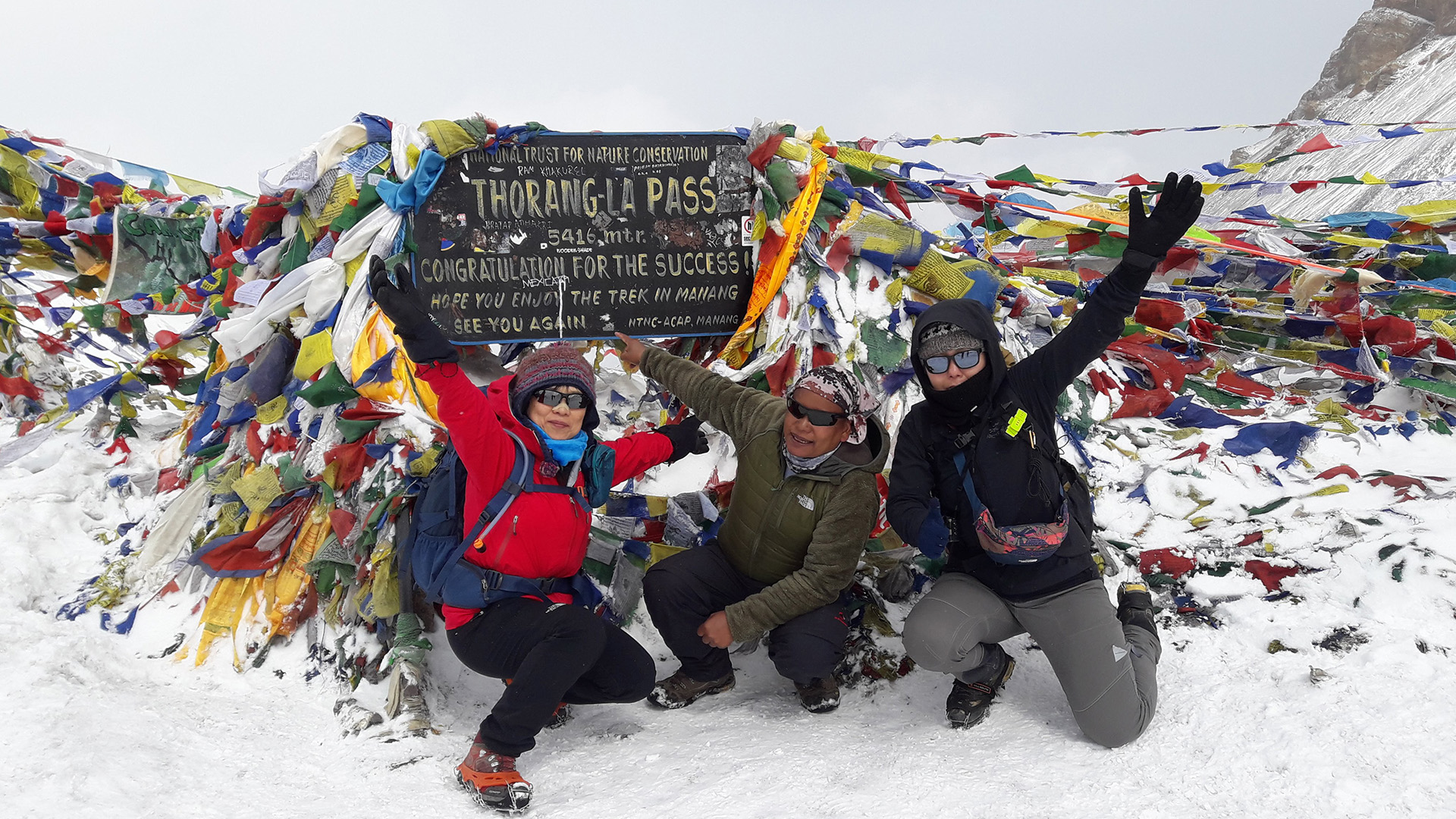
The highlight of the trek is crossing the Thorong La Pass, situated at an altitude of around 5,416 meters (17,769 feet). The challenging ascent to the pass rewards trekkers with breathtaking panoramic views and a sense of achievement.
Descending into Mustang: Muktinath
After conquering the pass, trekkers descend into the Mustang region, characterized by arid landscapes and ancient monasteries. The sacred site of Muktinath is a significant pilgrimage destination.
Trek to Tatopani: Natural Hot Springs
The trail to Tatopani offers a relaxing respite at natural hot springs—a perfect opportunity to rejuvenate tired muscles and connect with fellow trekkers.
Poon Hill Detour: Sunrise Over the Himalayas
Some trekkers opt for a detour to Poon Hill to witness the mesmerizing sunrise over the Annapurna and Dhaulagiri ranges. The panoramic view is a photographer's delight.
Cultural Richness: Experiencing Local Life
Throughout the trek, trekkers have the chance to interact with diverse ethnic communities, including Gurungs, Thakalis, and Tibetans. Sharing stories and meals with locals adds a personal touch to the journey.
Best Time for Annapurna Circuit Trek
The best time to undertake the Annapurna Circuit Trek is during the pre-monsoon (spring) and post-monsoon (autumn) seasons. These periods offer clear skies, mild temperatures, and stable weather conditions.
Trekking Challenges: Physical and Mental Stamina
The trek presents both physical and mental challenges, from steep ascents to altitude adjustments. Developing mental resilience and embracing the journey's highs and lows are essential.
Responsible Trekking: Leave No Trace
Responsible trekking practices, such as minimizing waste, respecting local customs, and supporting local communities, contribute to preserving the pristine beauty of the trail.
Safety Measures: Navigating Altitude and Weather
Safety is paramount during the trek. Trekkers should be aware of altitude-related risks, stay hydrated, and follow guides' advice. Being prepared for changing weather conditions is crucial.