Lobuche Peak, a mesmerizing Himalayan gem, stands proudly in the heart of the Everest region of Nepal. With its stunning vistas, challenging trails, and rich cultural experiences, Lobuche Peak has become a magnet for adventure seekers and mountaineers alike. In this article, we will embark on a journey to uncover the allure of Lobuche Peak, its climbing challenges, the surrounding beauty, and the adventure of a lifetime.
Lobuche Peak, standing at an impressive altitude of 6,119 meters (20,075 feet), is a testament to the raw beauty and challenging allure of the Himalayas. Nestled between the renowned Everest Base Camp and the charming village of Lobuche, this peak offers an exhilarating climb that combines technical skill with breathtaking scenery.
Lobuche Peak stands as a symbol of adventure, perseverance, and natural beauty. The journey to its summit is a test of physical and mental limits, but the rewards are immeasurable. From the awe-inspiring views to the cultural interactions with the Sherpa community, the Lobuche Peak expedition is an experience that will forever remain etched in memory.
Geographical Marvel of Lobuche Peak
Lobuche Peak comprises two main summits: Lobuche East and Lobuche West. These peaks are part of the larger Mahalangur Himal range and provide a stunning panoramic view of the Everest Massif, Lhotse, Nuptse, Ama Dablam, and many other neighboring giants.
Preparing for the Ascent: Training and Equipment
Climbing Lobuche Peak demands physical fitness, mental determination, and proper preparation. Climbers must engage in rigorous training, including cardiovascular exercises, strength training, and altitude simulation. Essential equipment includes climbing gear, insulated clothing, gloves, crampons, ice axes, and more.
Trail to Lobuche Base Camp
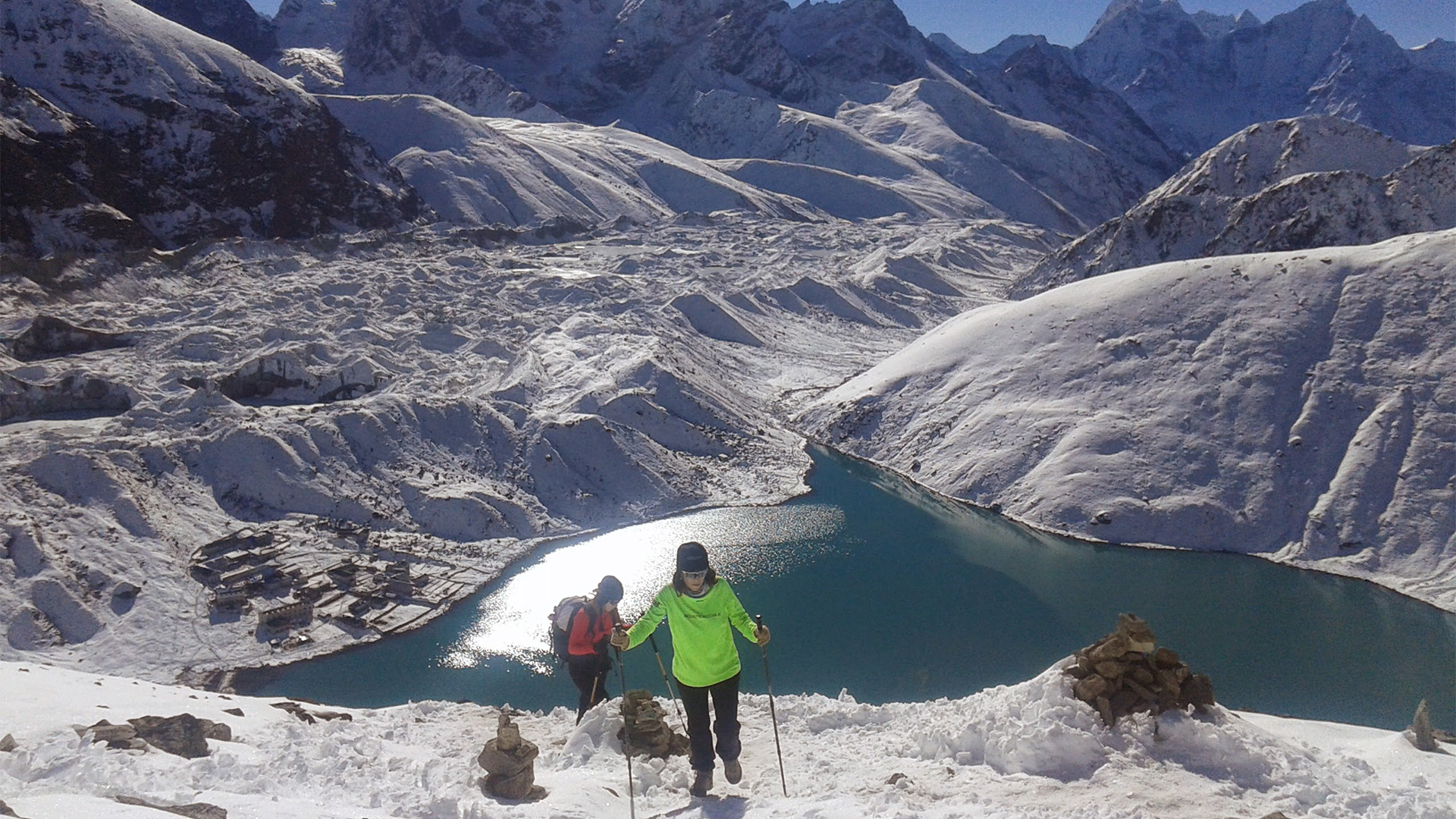
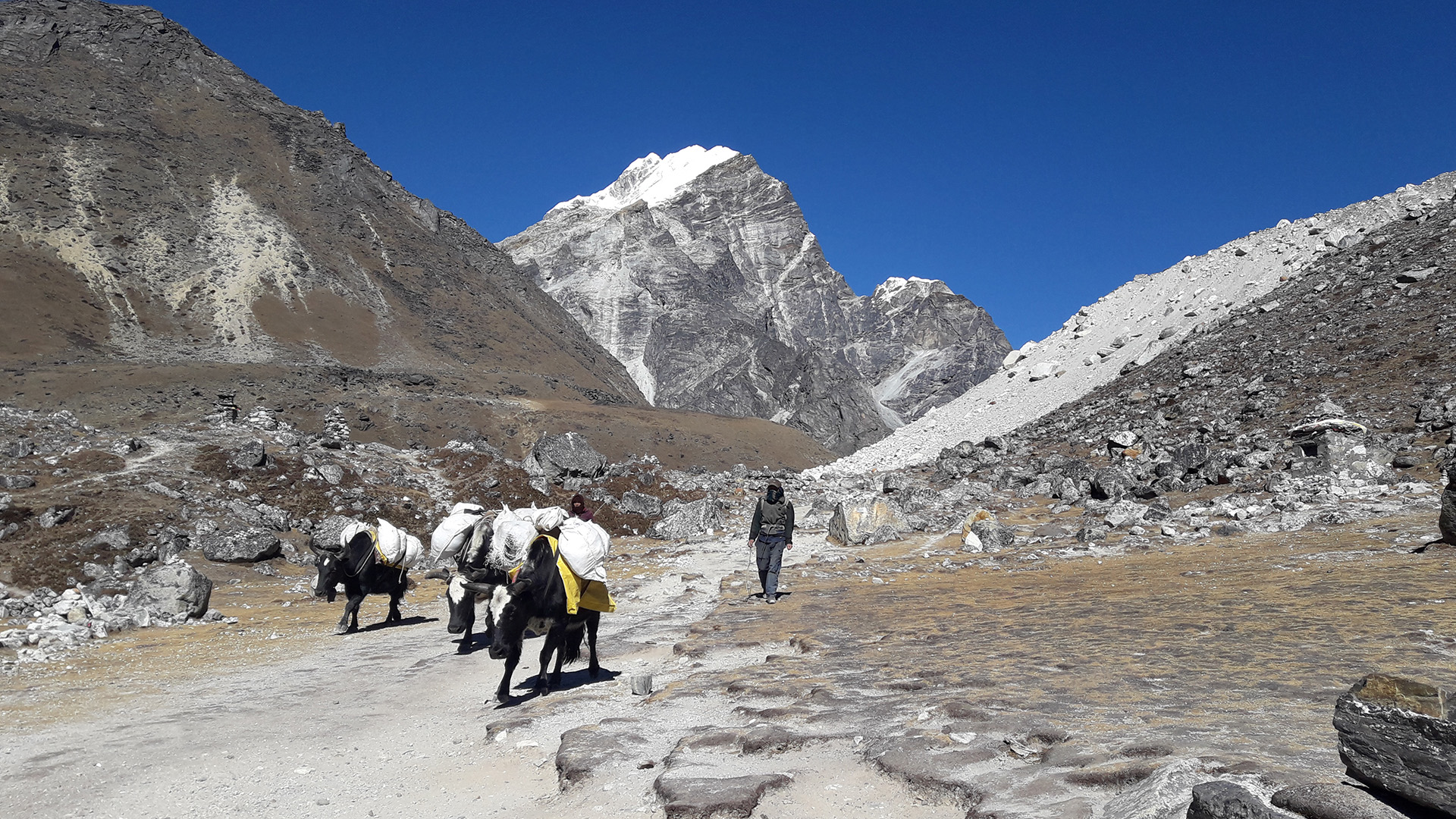
The journey to Lobuche Peak commences with a flight to Lukla, followed by a trek through picturesque Sherpa villages, lush rhododendron forests, and rugged terrains. The trail gradually ascends to Lobuche Base Camp, offering trekkers a chance to acclimatize and enjoy the stunning Himalayan landscapes.
Acclimatization and Exploration
Acclimatization is vital to prevent altitude sickness. Trekkers spend days acclimatizing, exploring nearby landmarks like the Everest Base Camp and Kala Patthar. This process helps the body adjust to lower oxygen levels and prepares climbers for the challenges ahead.
Technical Climbing Challenges
Lobuche Peak presents a mix of challenges, from steep rock faces to icy slopes. Climbers must overcome technical sections with the help of experienced guides. The climb demands skills in rope management, ice climbing, and route navigation.
Summit Day: Conquering the Peak
Summit day begins before dawn, with climbers navigating through the darkness using headlamps. The final push to the summit is physically demanding but incredibly rewarding. As the sun rises, the panoramic view from the top is nothing short of awe-inspiring.
Rewarding Views from the Summit
Standing atop Lobuche Peak offers a surreal experience. The breathtaking vistas of Everest and its neighboring peaks, set against the vast expanse of the Himalayas, create memories that will last a lifetime.
Cultural Immersion: Sherpa Hospitality
The climb to Lobuche Peak also provides an opportunity for cultural immersion. The Sherpa people, known for their warmth and hospitality, welcome trekkers into their villages, offering insights into their unique way of life and age-old traditions.
Lobuche East vs. Lobuche West: Choosing the Climb
Climbers can opt for either Lobuche East or Lobuche West. While Lobuche East demands more technical expertise, Lobuche West offers a less challenging route. The choice depends on climbers' skill levels and preferences.
Best Seasons for Lobuche Ascent
The best times to conquer Lobuche Peak are during the pre-monsoon (spring) and post-monsoon (autumn) seasons. These windows provide stable weather conditions and clear skies, optimizing the chances of a successful ascent.
Physical and Mental Stamina: A Must
Climbing Lobuche Peak requires not only physical strength but also mental resilience. The ability to push through discomfort and setbacks is crucial for a safe and successful climb.
Preserving the Pristine Beauty
With the increasing number of climbers, the need for responsible tourism has become evident. Climbers are encouraged to follow Leave No Trace principles, minimizing their impact on the environment and ensuring the pristine beauty of the region remains intact.
Safety Measures and Considerations
Safety should be a top priority during the climb. Climbers must be aware of altitude-related risks, weather changes, and emergency protocols. Hiring experienced guides and following their advice is essential for a secure ascent.