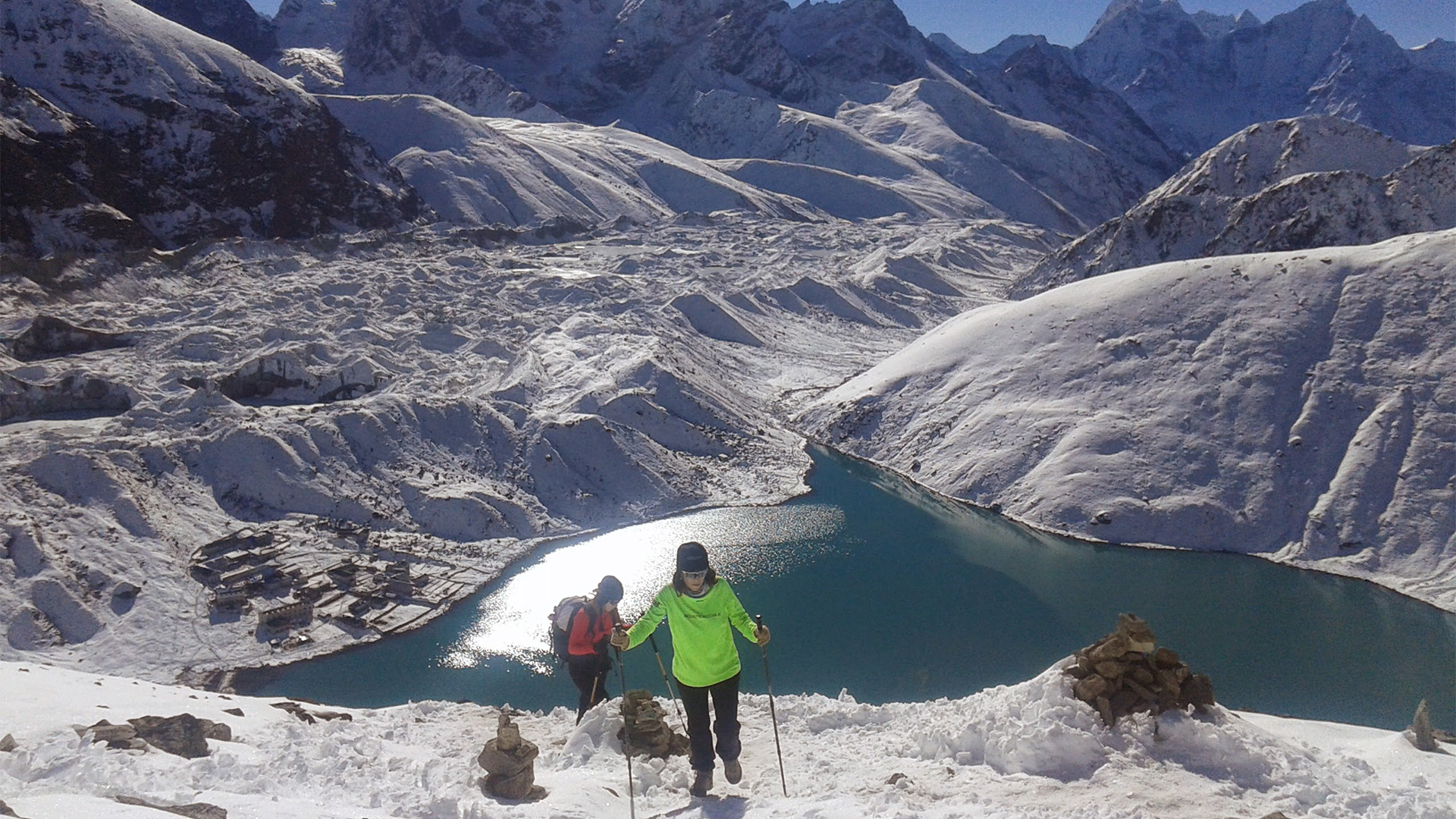
Nestled in the heart of the Himalayas, Mera Peak stands as an invitation to adventure-seekers and mountaineering enthusiasts from around the world. Rising to an impressive altitude of 6,476 meters (21,247 feet), Mera Peak is not just a trekking peak but a gateway to exhilarating experiences, breathtaking landscapes, and the thrill of summiting a Himalayan peak. If you're yearning to test your limits and immerse yourself in the awe-inspiring beauty of Nepal's mountains, Mera Peak promises an unforgettable journey.
Mera Peak is situated in the Khumbu region of Nepal and stands as one of the most popular trekking peaks in the country. Its appeal lies not only in its challenging ascent but also in the diversity of experiences it offers along the way. The trek to Mera Peak takes you through lush forests, charming villages, and pristine landscapes, providing an opportunity to immerse yourself in the local culture and soak in the panoramic views of towering Himalayan giants.
The Journey to the Summit
The journey to the summit of Mera Peak is an adventure that spans approximately 18-20 days. The trek begins with a scenic flight from Kathmandu to Lukla, followed by a trek through picturesque villages like Paiya, Pangkongma, and Khare. As you ascend, the landscape transforms from lush greenery to snowy expanses, and the excitement builds as you approach the high camp.
The climb itself is a mix of glacier travel, steep inclines, and awe-inspiring vistas. The final push to the summit involves navigating through ice and snow, using mountaineering equipment like crampons and ice axes. The effort is rewarded with a panoramic view that stretches from the Everest and Makalu ranges to Kanchenjunga and beyond.
Challenges and Preparations
Climbing Mera Peak is a physically demanding endeavor that requires a good level of fitness and stamina. Proper training and preparation are essential, including cardiovascular exercises, strength training, and altitude acclimatization. Climbers should also be prepared for changing weather conditions and rapid altitude gains.
Cultural Encounters and Natural Splendors
Beyond the physical challenges and breathtaking landscapes, Mera Peak trek offers the chance to engage with the local Sherpa culture. Along the trail, you'll have the opportunity to visit monasteries, interact with the friendly locals, and gain insights into their way of life. The trek also takes you through the Hinku Valley, known for its pristine beauty and untouched landscapes.
Physical Fitness and Training
Training is key to a successful climb. Engage in cardiovascular exercises like hiking, running, and cycling to improve your endurance. Strength training for your core, legs, and upper body will also help you navigate the varying terrain and steep ascents.
Altitude Acclimatization
Altitude sickness is a real concern during high-altitude treks. Acclimatize gradually by spending a few days at higher altitudes to allow your body to adapt to the lower oxygen levels. Listen to your body and take rest when needed.
Proper Gear and Equipment
Invest in high-quality trekking and mountaineering gear. Your gear should include waterproof clothing, insulated jackets, sturdy hiking boots, and accessories like gloves, hats, and sunglasses. Ensure that you're comfortable with the use of mountaineering equipment like crampons and ice axes.
Stay Hydrated and Eat Well
Proper hydration and nutrition are crucial during the climb. Drink plenty of water and eat energy-rich meals to maintain your strength and stamina. High-calorie snacks like nuts, energy bars, and chocolates can provide a quick boost when needed.
Respect Local Culture
The communities along the Mera Peak trail have their own customs and traditions. Show respect for their way of life by following local customs, being mindful of your actions, and seeking permission before taking photos of people or religious sites.